
 English
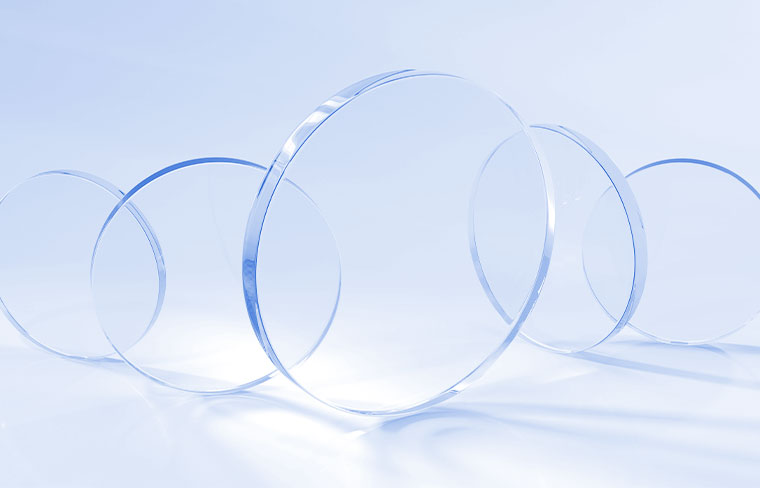

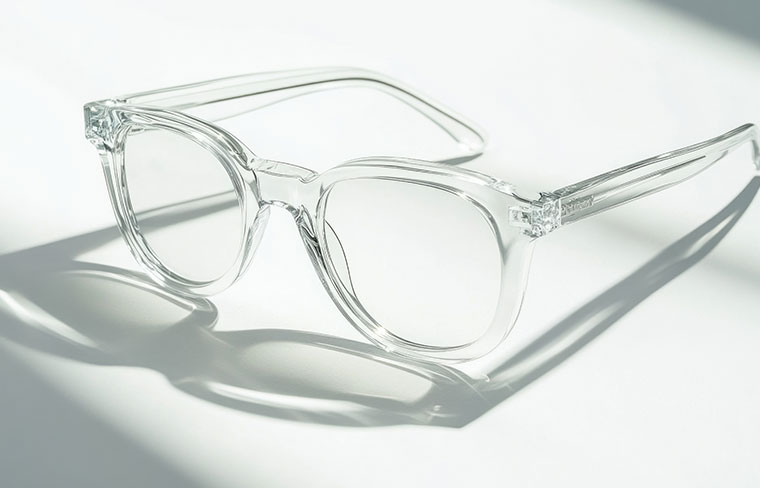

What are the features and limitations of Anti-Blue Light Lenses? Anti-blue light lenses are designed to filter part of t...
READ MORE

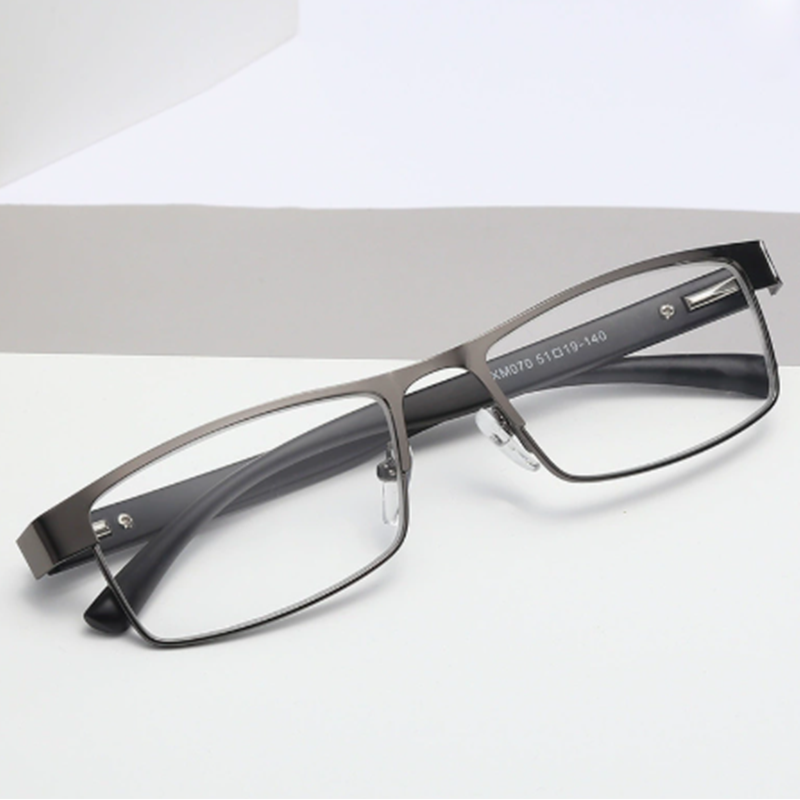 Anti Blue Light Metal Half Frame Reading Glasses
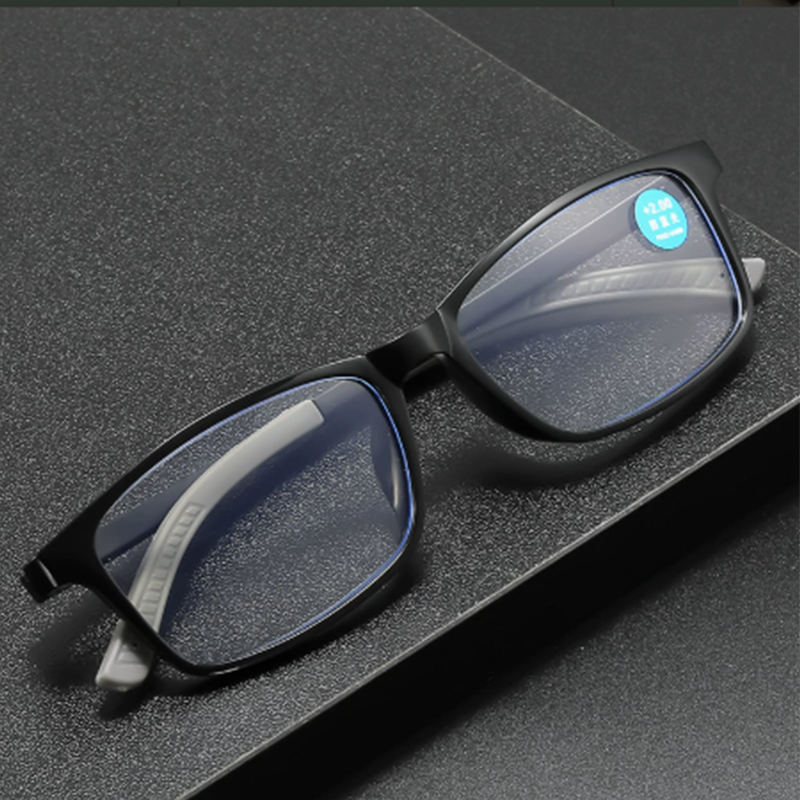 Plastic Anti-Blue Light Reading Glasses for Men and Women
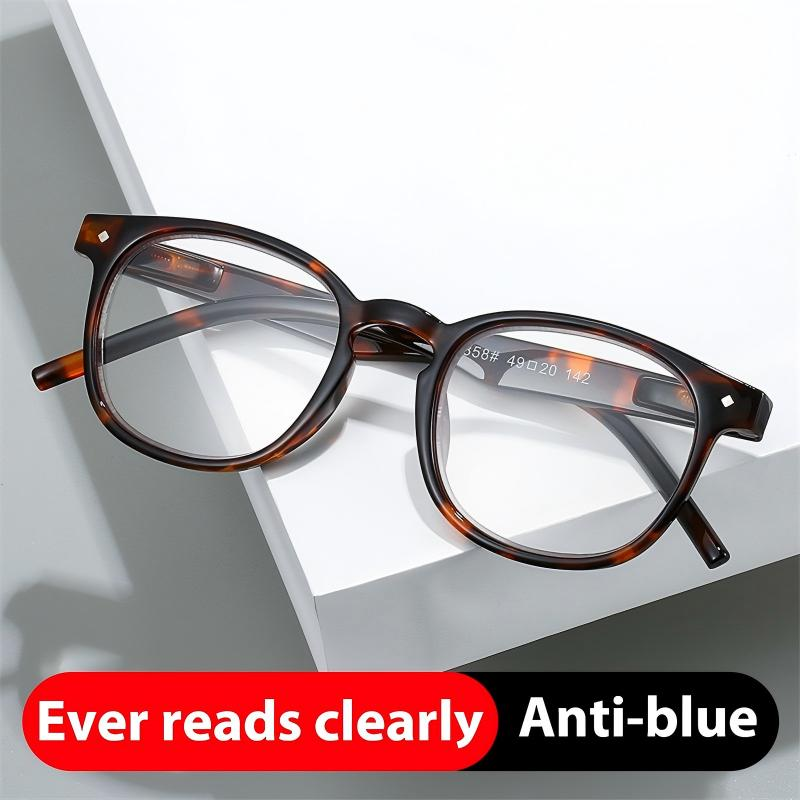 Round Anti Blue Light Reading Glasses for Men Women
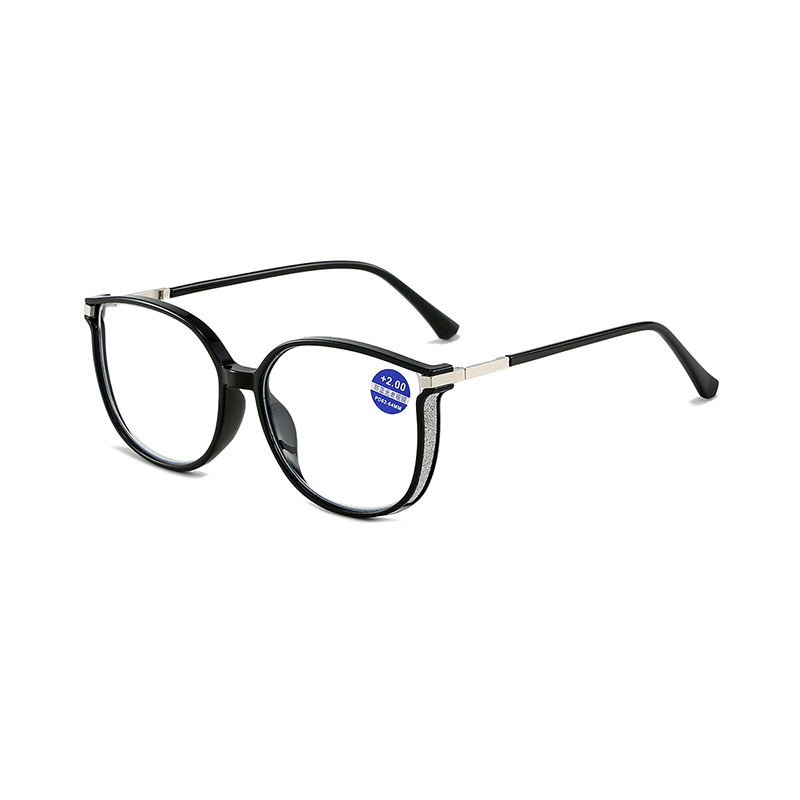 Presbyopia Square Reading Eye Glasses Anti Blue Light for Ladies
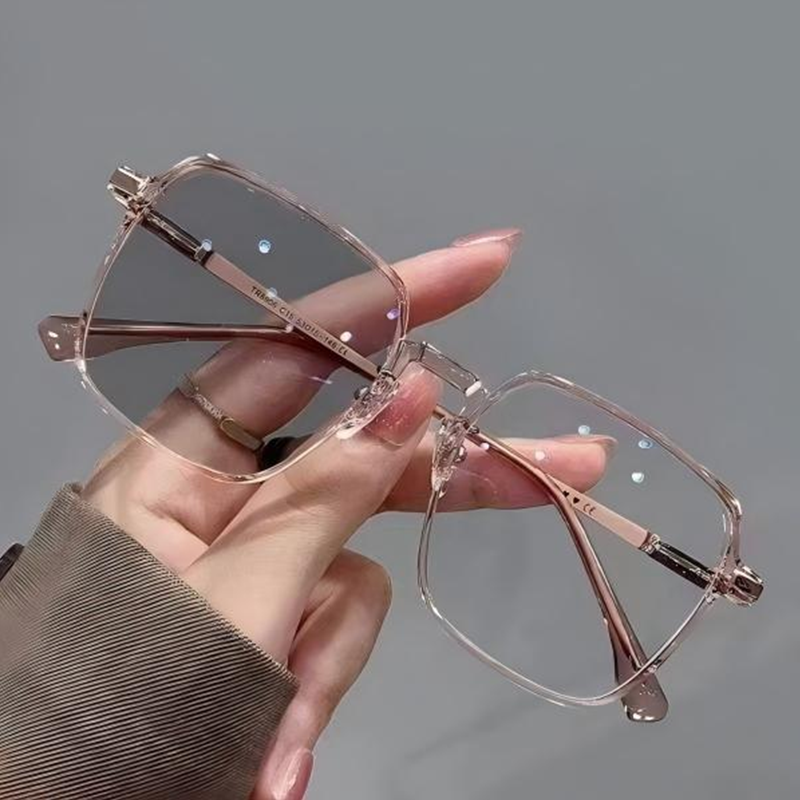 TR90 Anti Blue Light Photochromic Square Optical Reading Glasses
Reading glasses are made to support clear near vision for individuals experiencing presbyopia, offering practical assistance for daily reading and close-range activities. Our reading glasses focus on providing balanced magnification, a comfortable wearing experience, and consistent optical alignment.
Each pair is designed with attention to lens power accuracy and frame ergonomics, helping reduce eye strain during prolonged reading, mobile phone use, or detailed work. The lenses deliver clear central vision while maintaining smooth transitions across the visual field, allowing users to adapt naturally without discomfort.
Lightweight materials are used to improve wearing comfort, making the glasses suitable for extended use at home, in the office, or while traveling. Various styles and lens strengths are available to meet different preferences and age-related vision needs.

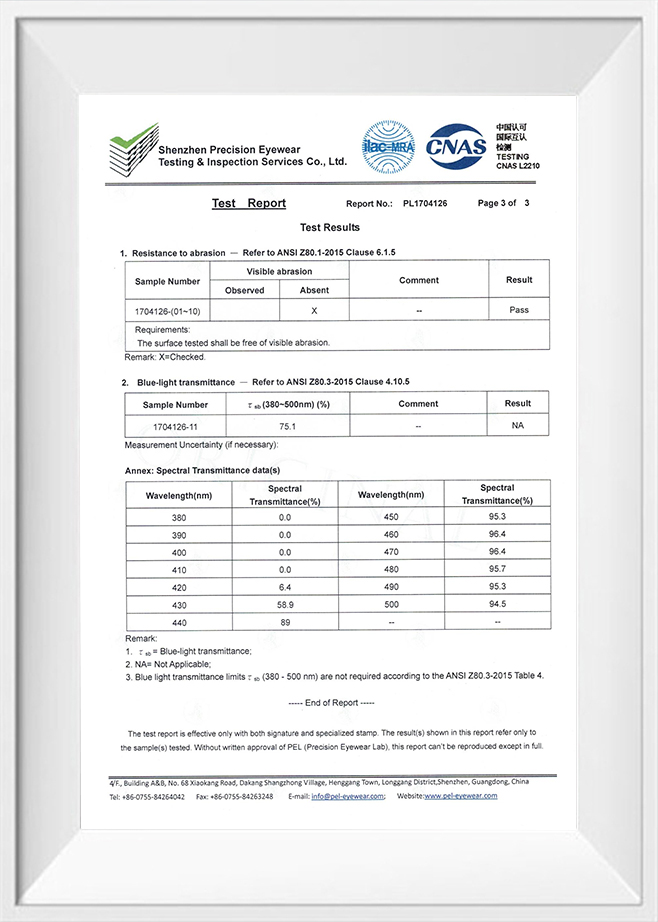
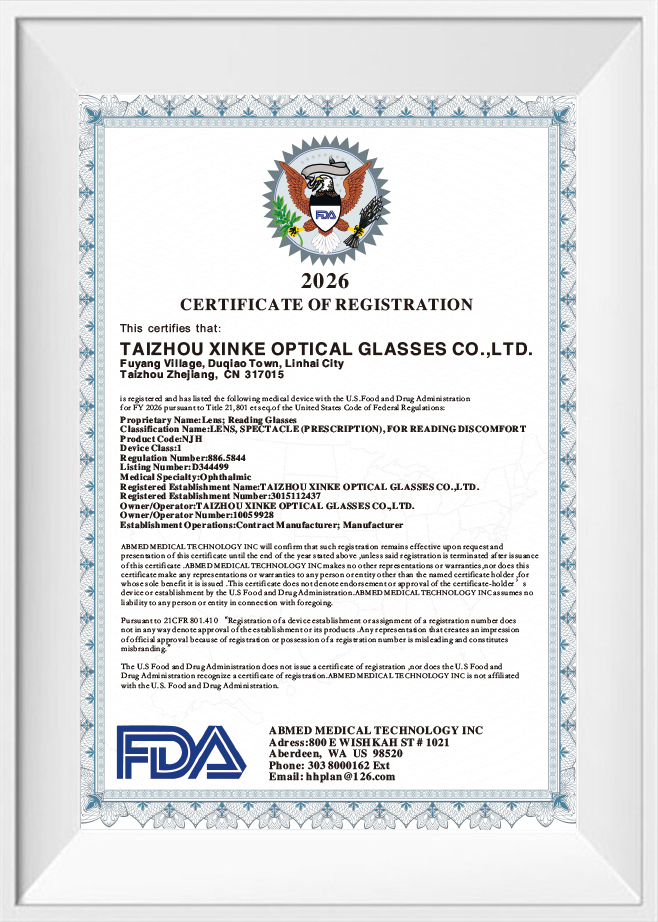
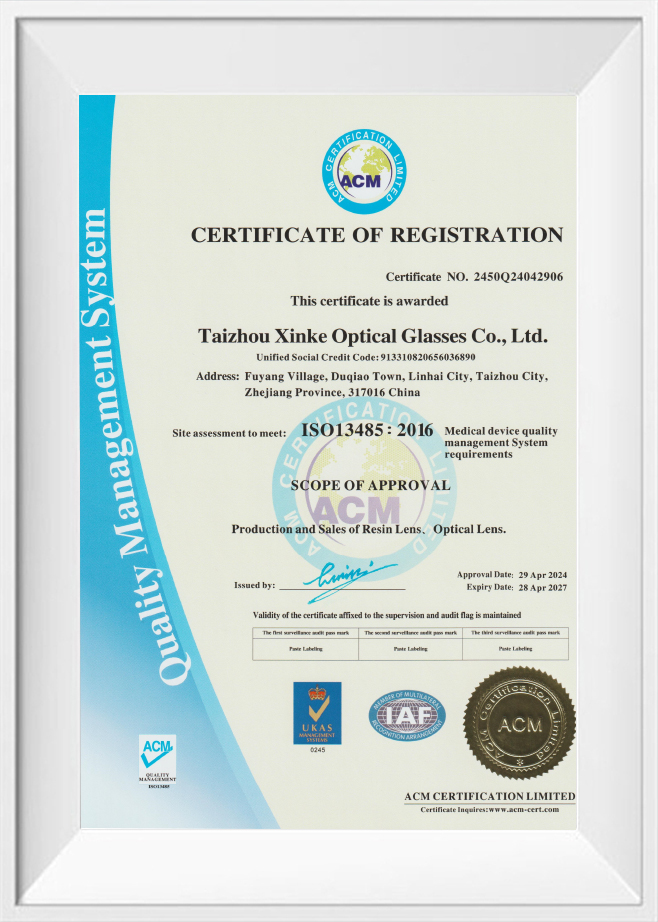
What are the features and limitations of Anti-Blue Light Lenses? Anti-blue light lenses are designed to filter part of t...
READ MOREWhy are Blue Cut With Photochromic Lenses so well-received? Blue cut with photochromic lenses combines two functional te...
READ MOREBlue light lenses are designed to reduce eye strain caused by exposure to digital screens, but how can you make sure you...
READ MOREPhotochromic lenses are typically made from high-quality plastic, polycarbonate, or glass with embedded photochromic mol...
READ MOREReading progressive glasses are designed to address the needs of individuals experiencing presbyopia, a condition that causes difficulty focusing on nearby objects as people age. These glasses allow for clear vision at different distances, including near, intermediate, and far, without the need to switch between multiple pairs of glasses. If you are using progressive reading glasses for the time, it may take some time to adjust, but following a few guidelines can enhance your experience.
1. Getting Used to the Lenses
Progressive lenses provide a gradual transition between different focal lengths. You might find the peripheral vision slightly distorted. This is normal, and your eyes will gradually adjust as you wear them more often. Try wearing them for short periods initially to get accustomed to the new visual experience.
2. Proper Fit
Make sure that your glasses fit properly. If the frames are too loose or too tight, it may affect the alignment of the lenses and cause discomfort. An ill-fitting pair of glasses can also impact how well you focus at different distances.
3. How to Use the Lenses
To use your progressive reading glasses effectively, position your head and eyes in such a way that you are looking through the proper part of the lens for the task at hand. For reading, use the lower part of the lens. For looking at distant objects, focus through the upper section.
4. Maintenance
Regularly clean your lenses with a microfiber cloth to avoid smudges and scratches. The anti-reflective coating on many progressive lenses can also benefit from routine cleaning.
Why do progressive lenses feel different?
Progressive lenses have no visible lines and offer a seamless transition between different focal points. Initially, the peripheral areas of the lens may seem blurry, but this is normal and should improve over time.
Can I wear progressive glasses all day?
Yes, progressive lenses are designed to be worn throughout the day. However, if you are not used to them, it may take time for your eyes to adjust.
Can I use progressive glasses for reading on screens?
Yes, progressive lenses can be used for reading printed material as well as digital screens. Just ensure you are using the appropriate part of the lens for the task.
Reading glasses are essential for people who experience presbyopia, which often starts around the age of 40. While they are highly effective, there are several common questions and concerns people have when considering or using reading glasses. Below are some of the key points to understand before choosing and using reading glasses.
Why am I having trouble reading small text?
Presbyopia occurs as the lens in your eye loses flexibility over time, making it harder to focus on objects up close. If you find that holding reading material further away or increasing the light is not helping, it might be time to consider reading glasses.
How do I know which lens strength is right for me?
The strength of reading glasses is measured in diopters (D). If you're unsure about the appropriate strength, it's better to visit an optometrist. A common starting point is +1.00D, and people often increase the strength as their presbyopia progresses. Many opticians offer over-the-counter glasses that come in standard strengths, but customized lenses may offer more precise correction.
Are reading glasses suitable for all close-up tasks?
Reading glasses are primarily designed for close-up tasks, such as reading books or newspapers. They are not ideal for intermediate or distance viewing. If you need correction for different types of tasks, you might need to look into multifocal lenses, such as bifocals or progressives, for more flexibility.
What should I do if I feel strain or discomfort?
If you experience discomfort or headaches while wearing reading glasses, it could be a sign that the lens strength is incorrect or that the glasses are not properly fitted. It's essential to get your eyes checked regularly and to choose glasses that align with your current vision needs.
Blue light blocking lenses are increasingly popular as more people spend long hours on digital devices. These lenses are designed to filter or block a portion of the high-energy visible (HEV) light emitted by screens. Here are some factors to consider when choosing blue light lenses for your spectacles.
|
Feature |
Description |
Considerations |
|
Lens Material |
Polycarbonate, Trivex, or High-Index Plastic |
Lighter and more durable materials reduce lens weight and offer comfort, especially for long periods of use. |
|
Blue Light Filter Level |
Varies from light to heavy filtering |
Choose based on your screen time. For heavy screen users, opt for higher filtration to reduce eye strain. |
|
Lens Coating |
Anti-reflective coating included with blue light filter |
Helps to reduce glare and improve clarity, making it easier to see digital screens for extended periods. |
|
Purpose |
Digital device use, nighttime protection, and general use |
Consider when you mainly use your glasses. Some lenses are more suitable for gaming or nighttime usage, while others are for day-to-day screen use. |
1. What Is the Blue Light Filter?
The filter blocks a portion of blue light from digital devices. It helps reduce eye strain, which is especially important for those who spend significant time on smartphones, computers, or other screens.
2. What Are the Benefits of Blue Light-Blocking Lenses?
Reduced Eye Strain: Many people report less fatigue and discomfort when using blue light lenses for long hours on digital devices.
Better Sleep Quality: Some studies suggest that blue light blocking lenses may help improve sleep quality by reducing the impact of blue light exposure on melatonin levels.
3. How to Choose the Right Lens?
Consider your daily screen time and usage habits when choosing a lens with the appropriate blue light filter level. For heavy users, stronger filters may offer more benefits.
4. What About Aesthetic Considerations?
Lenses with blue light blocking technology are often clear or lightly tinted, so they won't dramatically change the appearance of your glasses. Choose based on the type of activity you perform, and whether you prefer a lens that blends in with your daily style.
Contact
Let’s Work Together
© Thinkey Optical Co.,Ltd.
Quick Links
Stay In Touch
Address:
611# Paimen Road DuQiao Town Linhai City Zhejiang China.
Phone:
0086-13788990737
Email:
Website

Spectacle Lens Blue Light For Sale